J. S. Bach – Chaconne from Partita No. 2 in D minor, BWV 1004
Johann Sebastian Bach's Chaconne, the concluding movement of his Partita No. 2 for solo violin, stands as one of the most sublime and profound works in the solo violin repertoire – indeed, in all of classical music. Composed around 1720, this monumental and intensely moving piece transcends its original instrumentation, having inspired countless transcriptions and arrangements for various ensembles, from piano to full orchestra. It is a work of immense emotional depth and structural intricacy, built upon a repeating harmonic progression of eight bars that underpins a vast tapestry of melodic and contrapuntal variations.
At an astonishing 257 measures, the Chaconne demands not only virtuosity but also profound musical insight from the solo violinist. Its intricate polyphony, often implying multiple voices from a single melodic line, creates a rich harmonic landscape that belies its monophonic origin. The piece moves through despair, solace, triumph, and reflection, often within a remarkably short span, culminating in a powerful and almost orchestral finale.

 Image 1 of 12
 Image 2 of 12
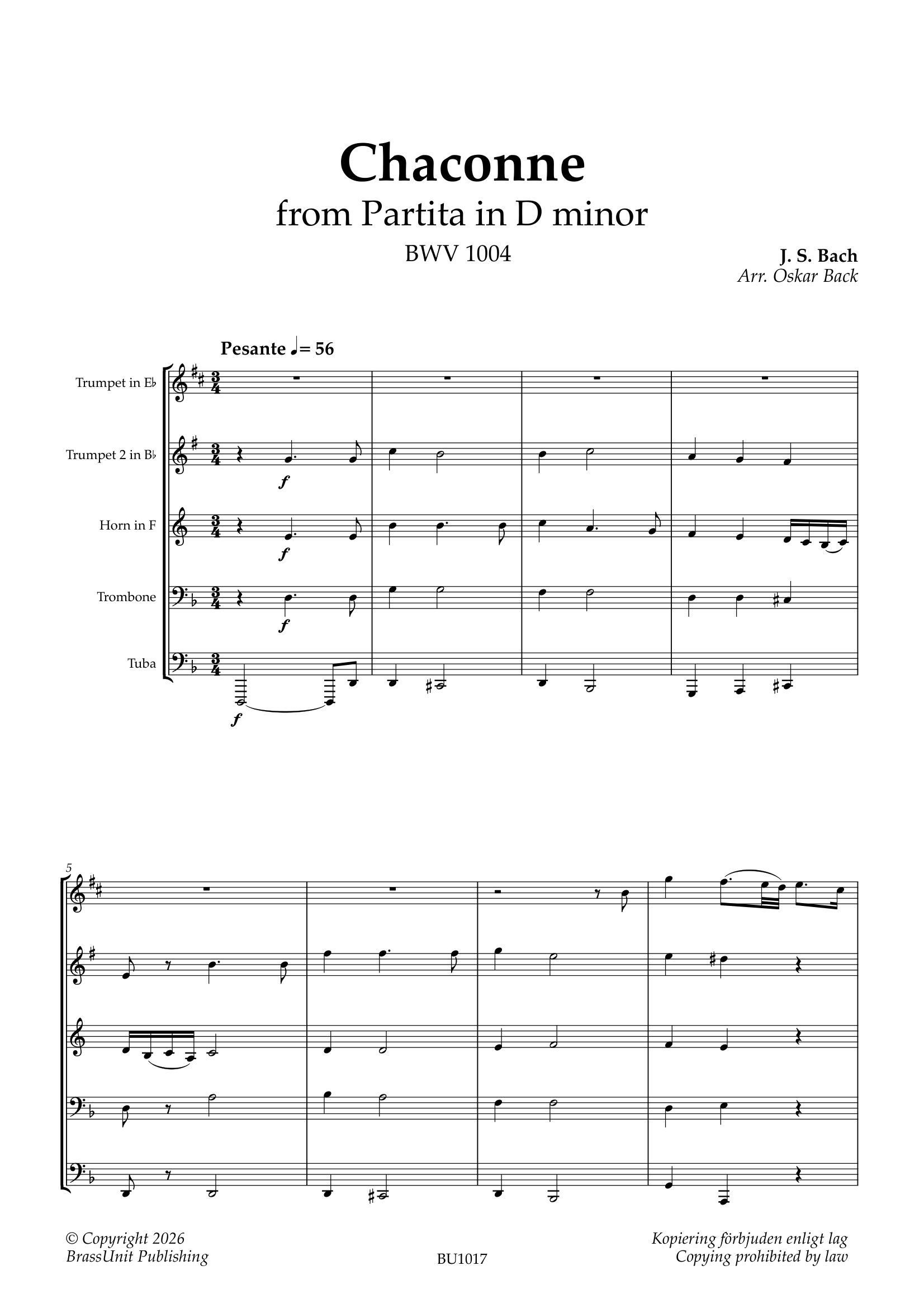 Image 3 of 12
 Image 4 of 12
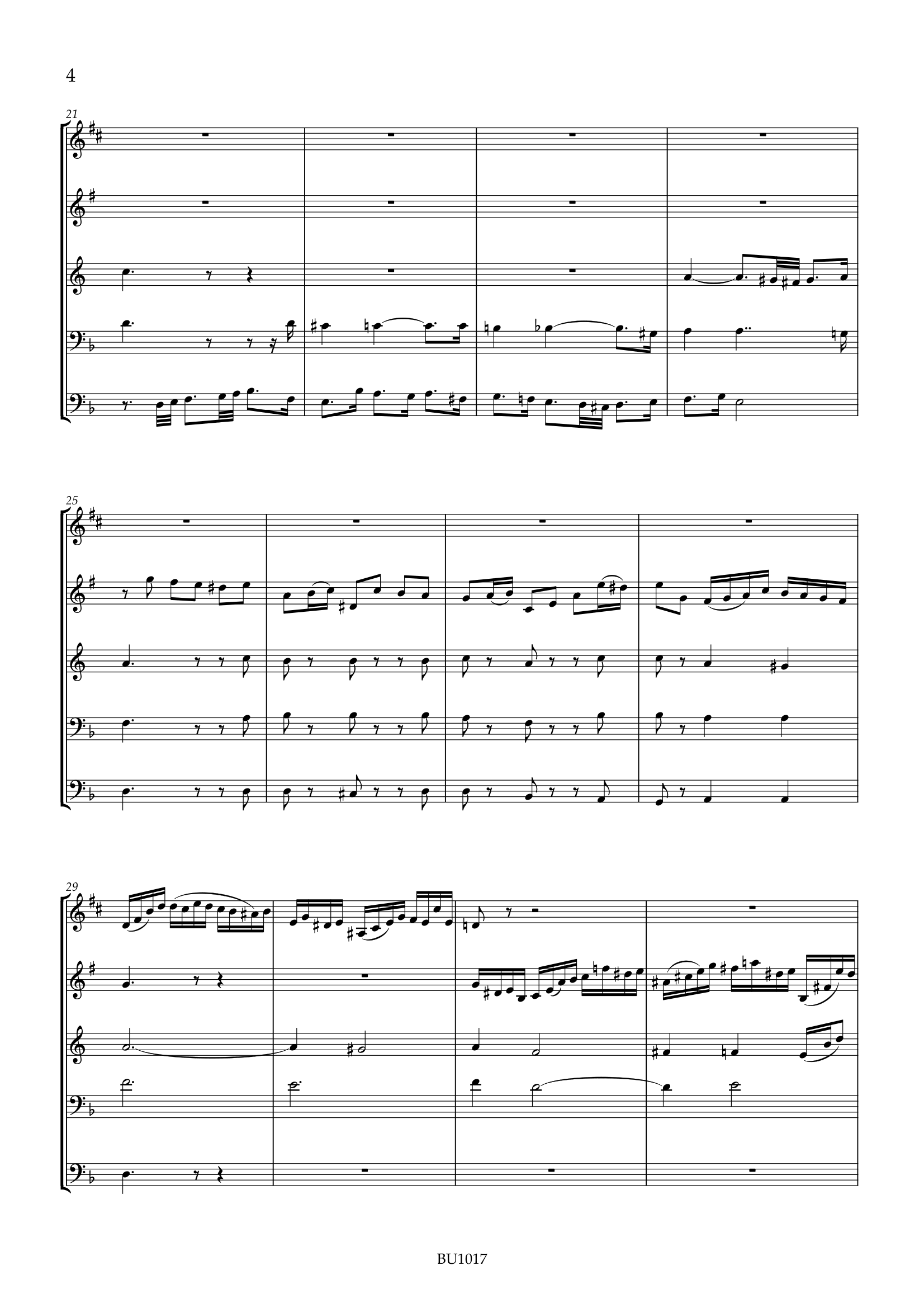 Image 5 of 12
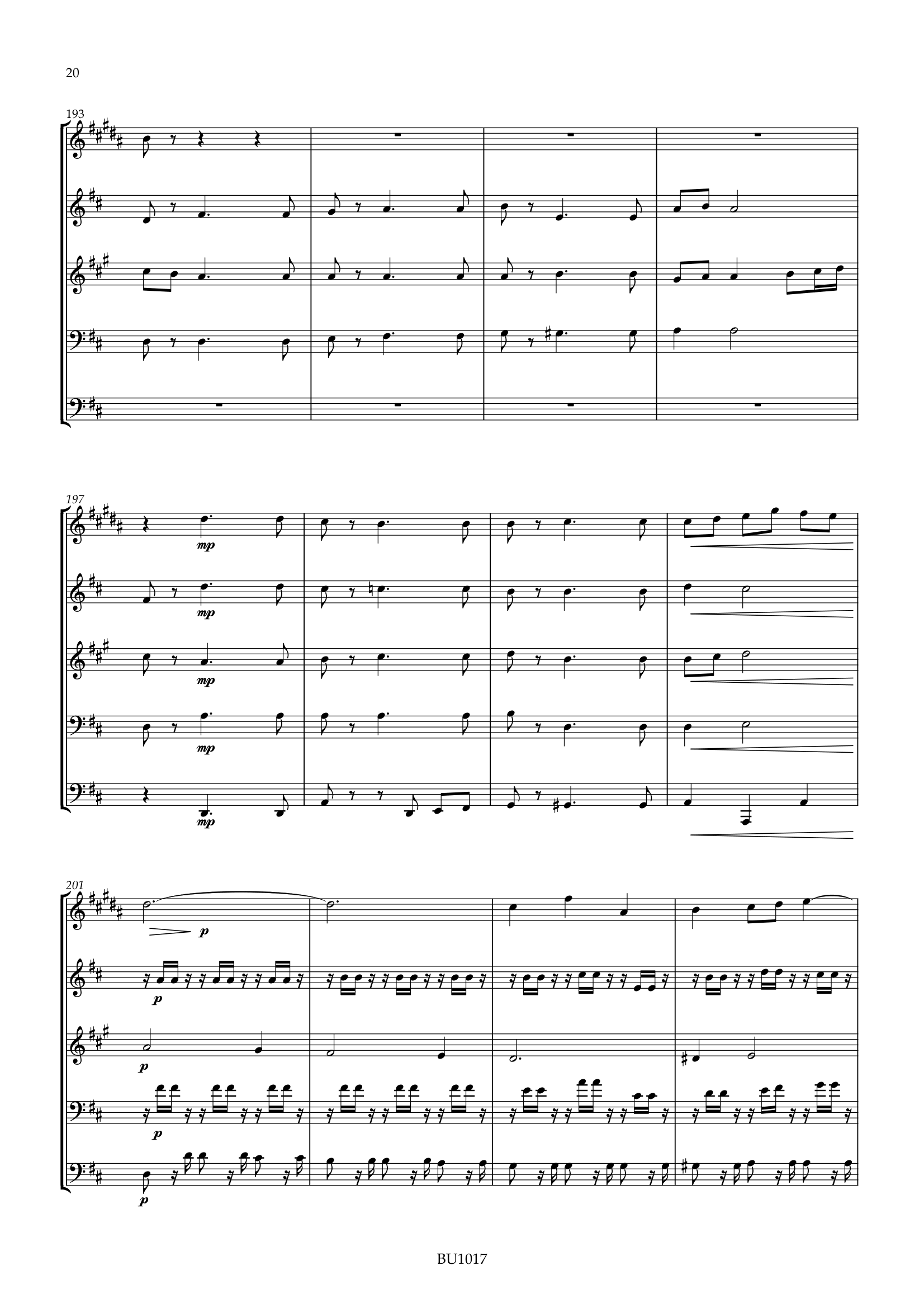 Image 6 of 12
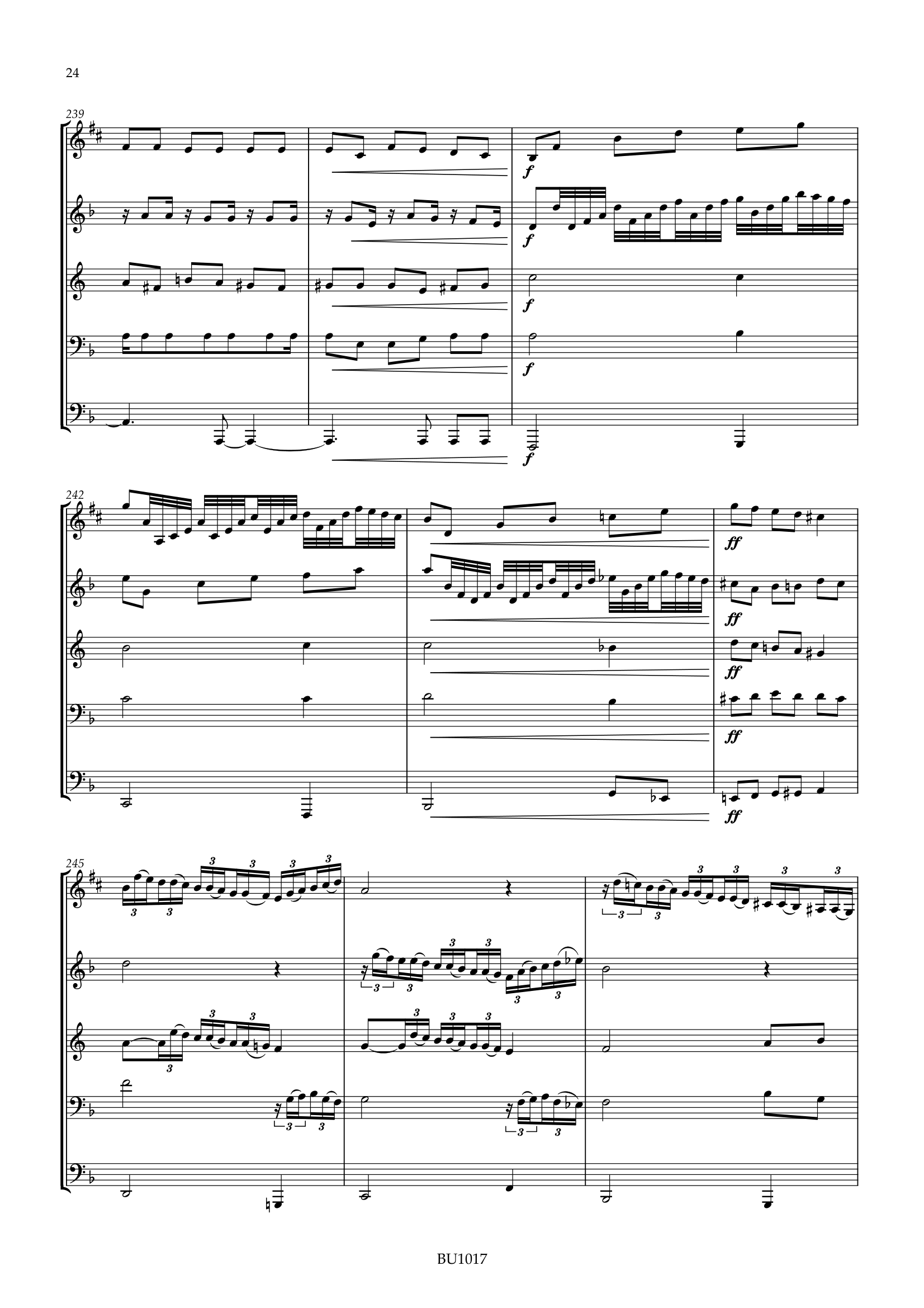 Image 7 of 12
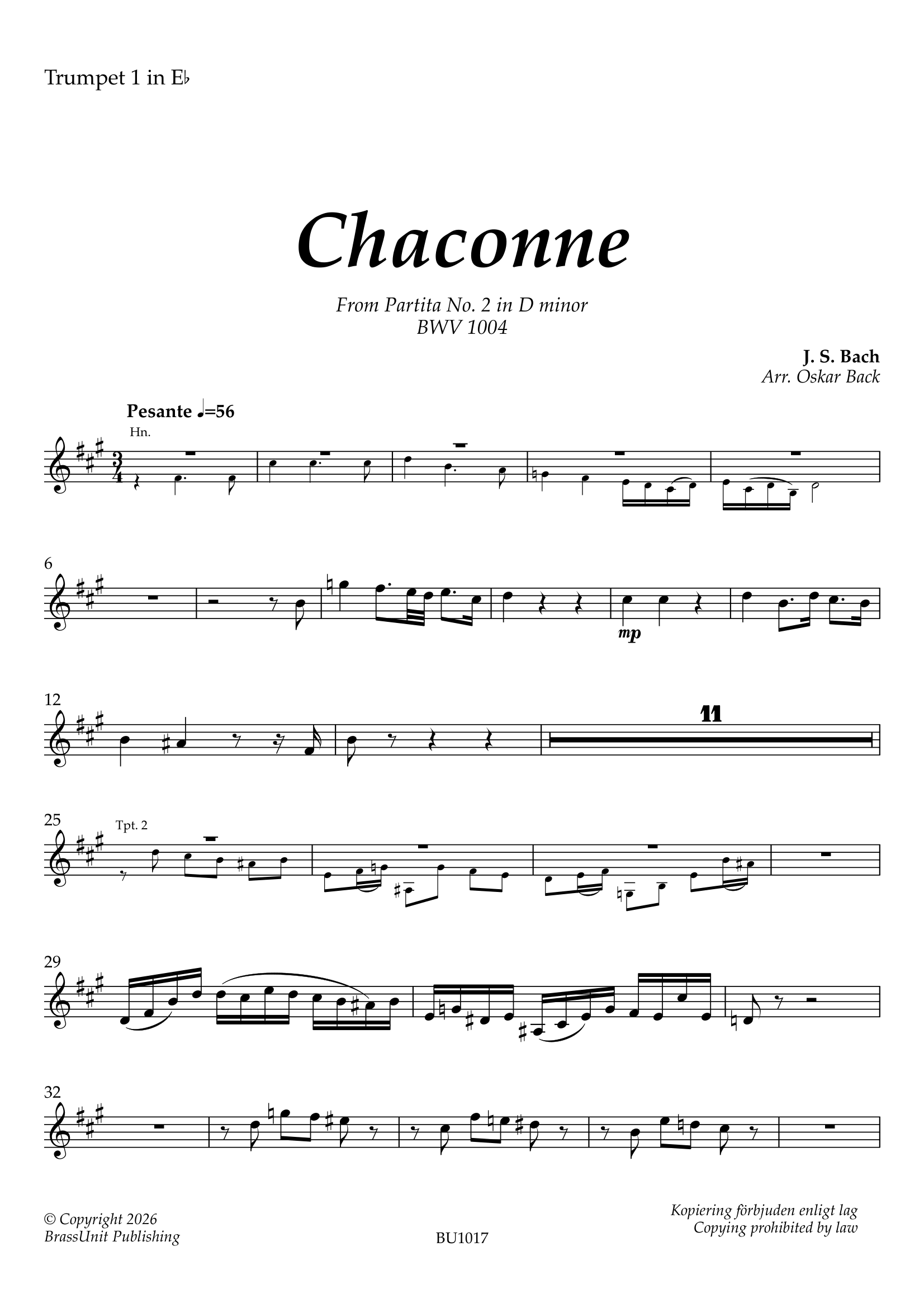 Image 8 of 12
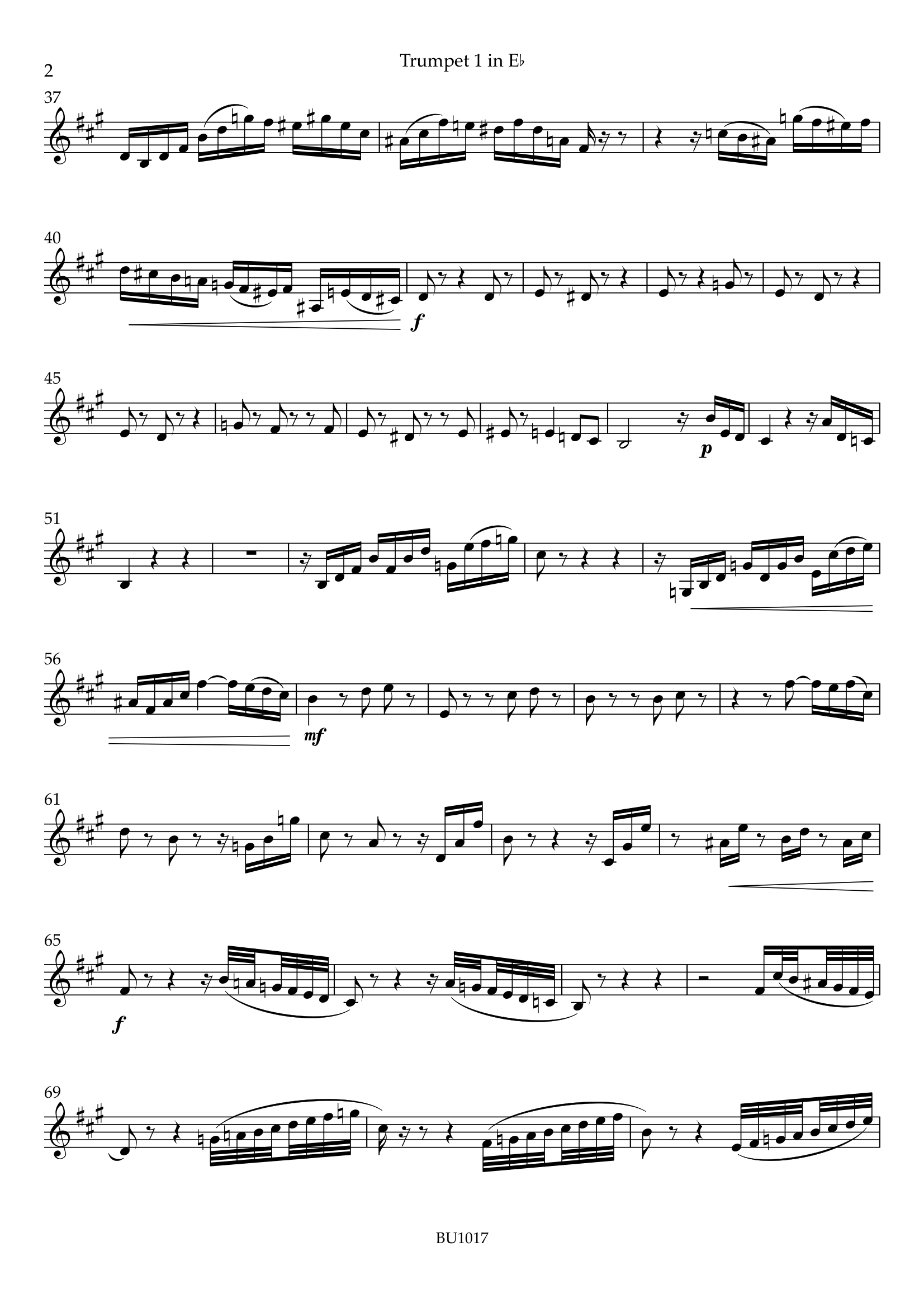 Image 9 of 12
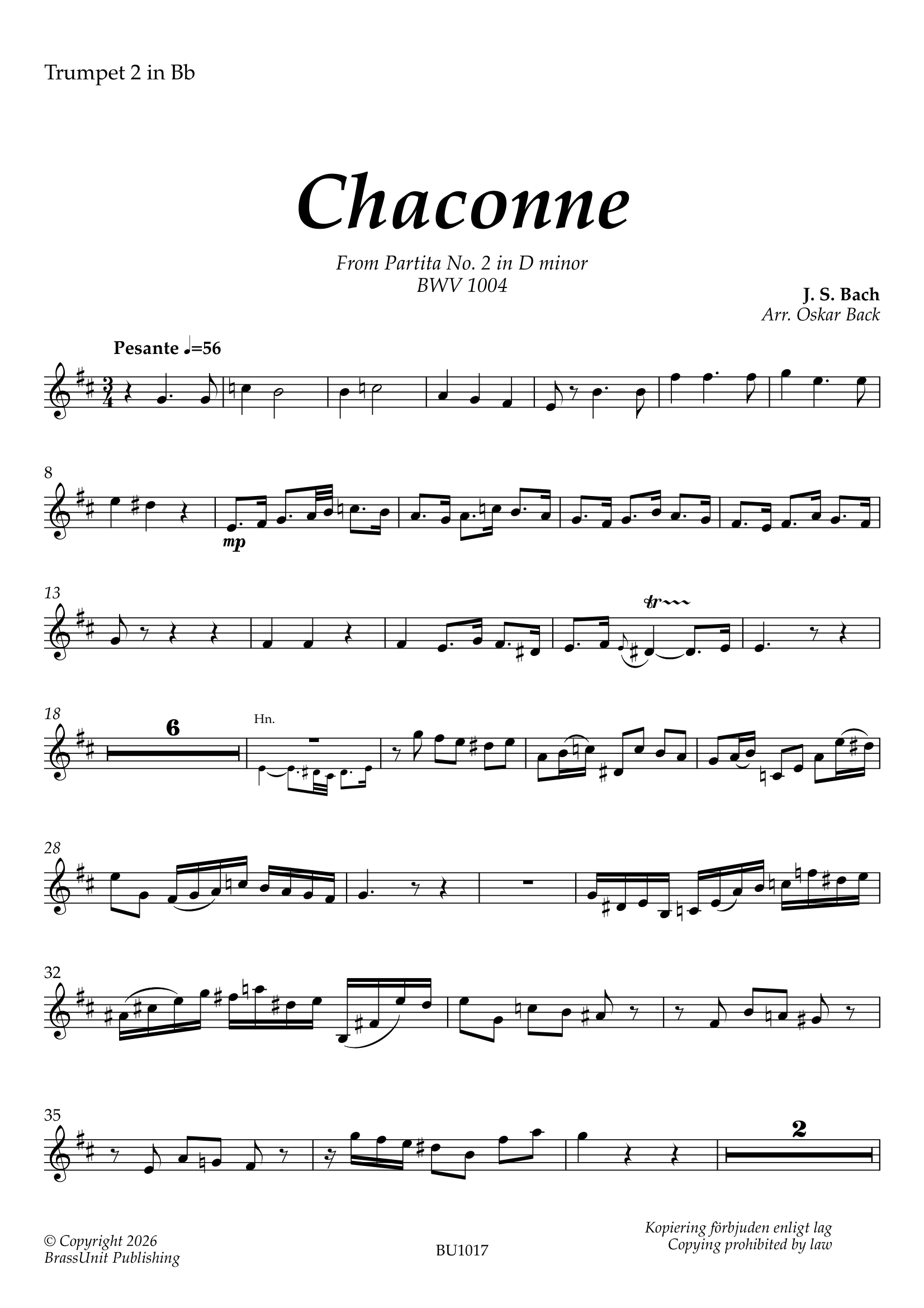 Image 10 of 12
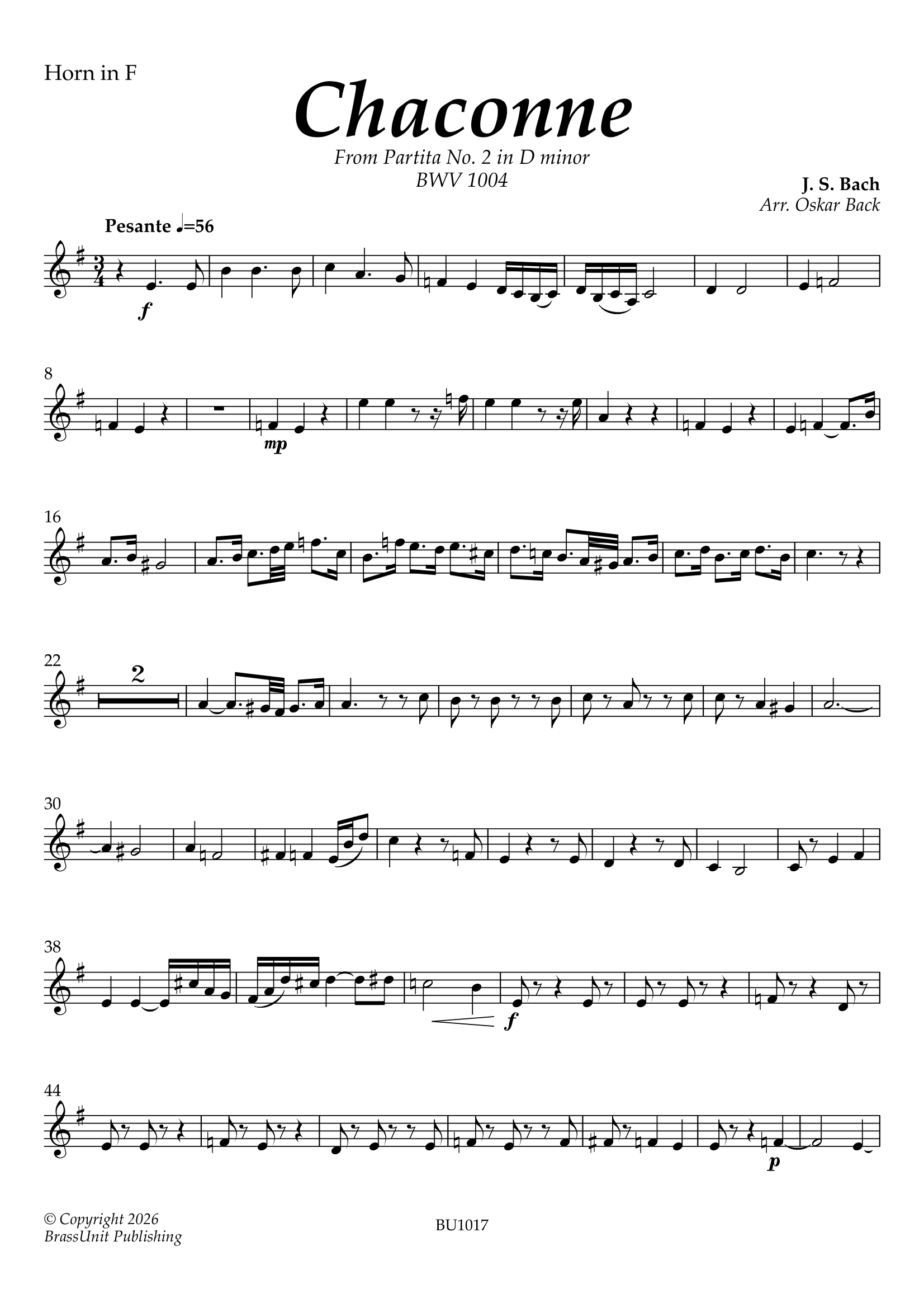 Image 11 of 12
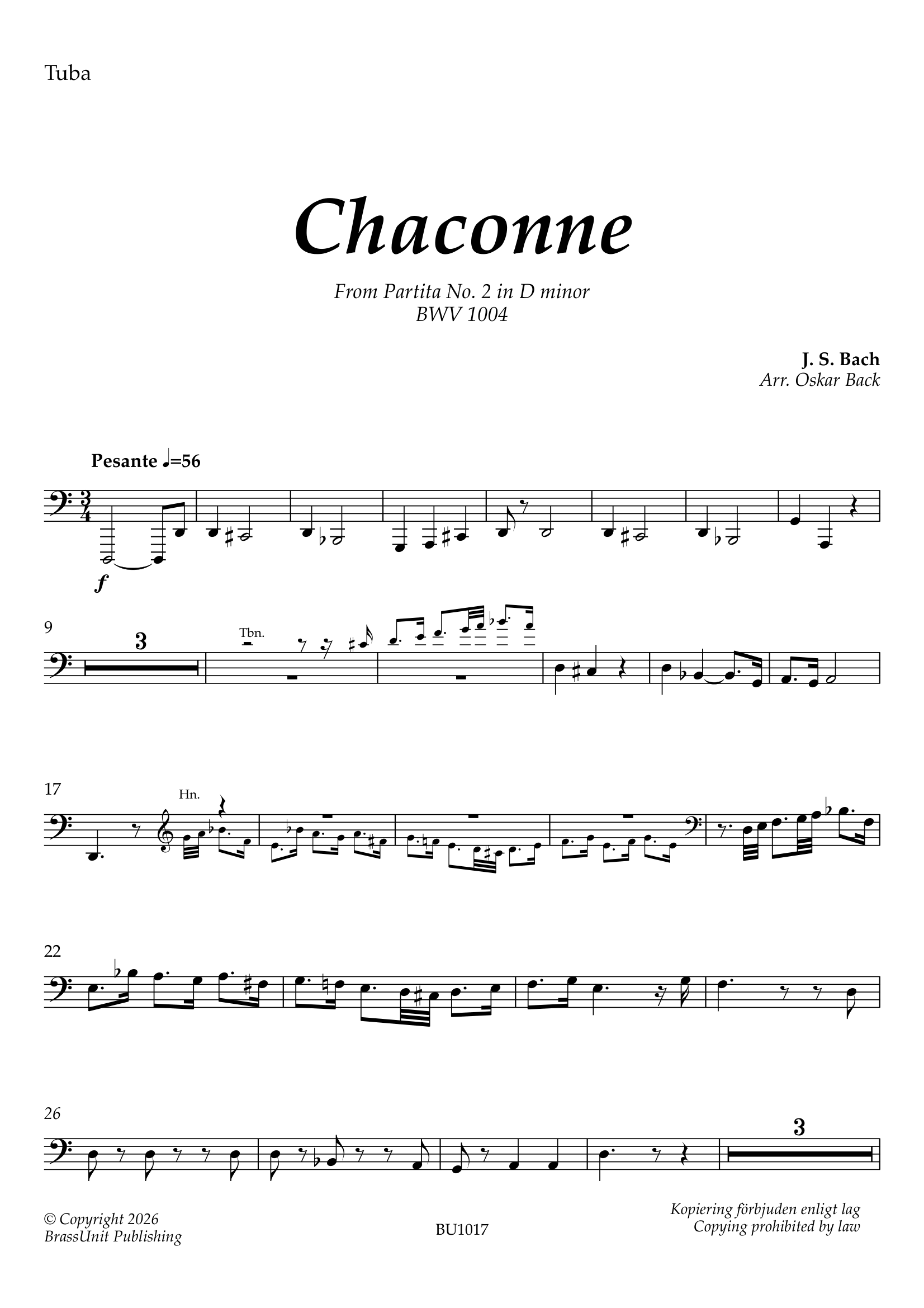 Image 12 of 12